


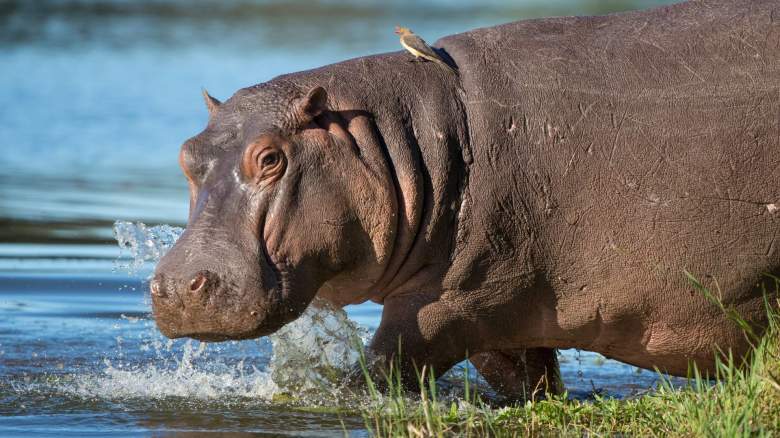
An anthrax outbreak has killed at least 30 hippopotamuses at Virunga National Park in the Democratic Republic of the Congo, raising concerns for wildlife and nearby communities.
The outbreak was first identified in September, and laboratory testing confirmed anthrax as the cause of the animals’ deaths, Laura Parker, head of Virunga’s conservation programs, told ABC News on Thursday.
Although officials have not identified any new cases in the past two weeks, the situation remains under observation.
“The situation continues to be closely monitored,” Parker said in an emailed statement to ABC News.
Park authorities believe recent rainfall may have helped slow the outbreak, although they are not declaring it over.
“Park authorities are attributing this to the arrival of significant rainfall, and are cautiously optimistic that there won’t be any further cases, but monitoring protocols continue,” Parker added.
What Is Anthrax?
Anthrax is an infectious disease caused by bacteria that form spores and occur naturally in soil around the world. According to the World Health Organization, those spores can remain dormant for extended periods before becoming active.
While the disease can affect different animal species and humans, hippos may be particularly vulnerable because of their biology and feeding habits.
“Anthrax does not exclusively affect hippos, but they are more susceptible due to a combination of their biology and feeding habits,” Parker explained to ABC.
The current outbreak is not the first time Virunga has experienced significant wildlife losses from the disease. Approximately 65 hippos died during an anthrax outbreak at the park last year. Buffalo were also affected, according to Parker.
Officials are now working to limit further infections and protect people living near the affected areas. Park authorities have notified local communities and warned residents against touching or eating animals found dead.
Instead, people have been instructed to report dead animals to park officials.
The warnings are important because anthrax can spread to humans through contact with infected animals or contaminated animal products. The WHO says people can become infected when handling or slaughtering sick animals, or through exposure to contaminated products.
New Cases Are Being Tracked
Virunga’s response includes tracking new cases, managing animal remains safely and reducing the risk of transmission.
“Virunga’s response is focused on surveillance, safe carcass management and reducing risks to both wildlife and people,” Parker said. “Teams have been monitoring the affected area, documenting new mortalities and coordinating the safe handling and disposal of carcasses.”
For now, the absence of newly identified cases offers some hope, but officials are continuing to monitor the park. With anthrax spores capable of surviving in soil for long periods, the threat may not disappear simply because the immediate outbreak appears to be slowing.
The park’s monitoring efforts will remain important to protecting its wildlife and the communities that live nearby.














Dozens of Hippos at Africa’s Oldest National Park Pass After Anthrax Outbreak