


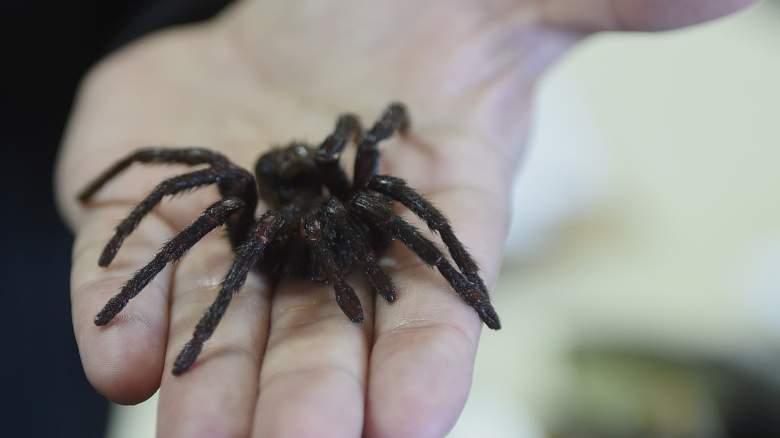
Customs agents at an airport in Peru discovered three suitcases filled with tarantulas, finding more than 3,000 of the eight-legged arachnids, hidden in socks.
, the suitcases carrying the tarantulas were seized at Jorge Chávez International Airport in Lima, Peru. Three men, including two German travelers and one Polish traveler, who were bound for Germany, were detained by the Peruvian National Police’s environmental crimes unit following the discovery.
Customs Agents Locate Over 3,000 Tarantulas Hidden in Socks Bound for Germany

According to the National Forestry and Wildlife Service (SERFOR), more than 3,000 tarantulas were discovered hidden in socks across three suitcases bound for Germany. Cora Suarez, a forest and wildlife control technician, said customs agents found the spiders at every stage of life, including some species that have not yet been scientifically described.
“We found the tarantulas in different stages of life, from eggs and hatchlings to adults,” Suraez shared. “The traffickers made a meticulous selection to include different species, some of which have not yet been described by science.” The tarantulas are protected by the Peruvian government.
According to Suarez, customs agents noticed something strange with the baggage, adding, “We noticed that some of them were moving. There were small ones and large ones.” All three men were detained, and it was noted that one of the men was “a prominent tarantula researcher.” They will face criminal charges.
The Tarantulas Were Likely Going to Be Trafficked for Research or Sold as Exotic Pets, Worth Over $1.7 Million
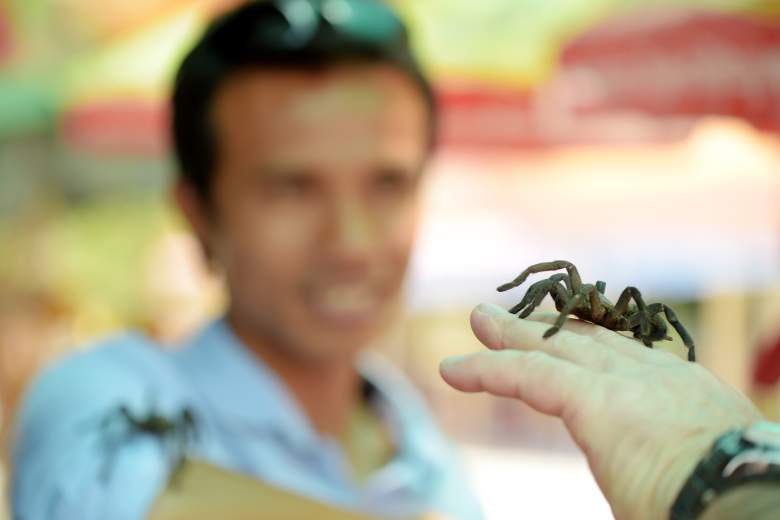
People reported that the tarantulas came from varying regions of Peru, including “members of the species Thrixopelma lagunas, Antikuna sp. and Avicularia sp., and the genus Pamphobeteus.”
Authorities believe the men intended to traffic the arachnids, which could have been collected for research or sold as exotic pets. Suraez noted that a single tarantula can sell for more than $500 in Europe, meaning that the men stood to make a significant profit. Had they successfully sold all of the spiders, the haul could have been worth nearly $1.7 million.
According to the United Nations Office on Drugs and Crime, the illegal trafficking of exotic wildlife is considered one of the leading causes of biodiversity loss around the world. The trade can have dire consequences for animal populations and can disrupt ecosystems, even putting animals at greater risk of extinction.















Airport Officials Make Shocking Discovery After Finding Thousands of Tarantulas Hidden in Suitcases