


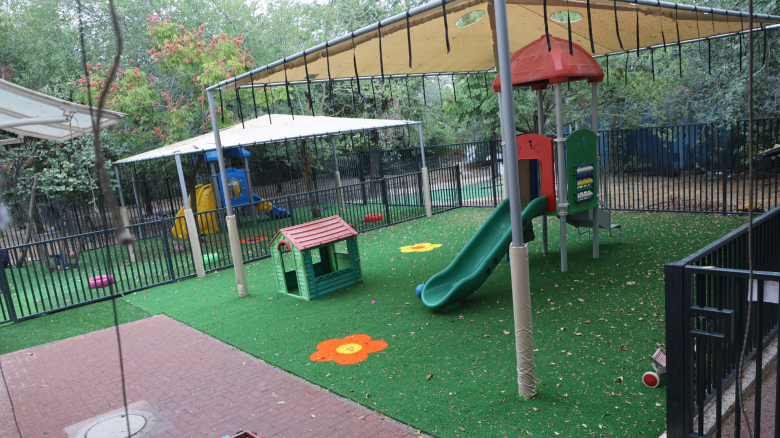
Artificial plastic grass, commonly known as “turf,” is being used in an alarming number of play areas meant for very young children, including daycares, preschools, and local playgrounds. The exact number of turf playgrounds in the U.S. isn’t known, but 2026 market report by OpenPR says the market for them is “expected to grow steadily” and projected to reach a value of $1.9 billion by 2030.
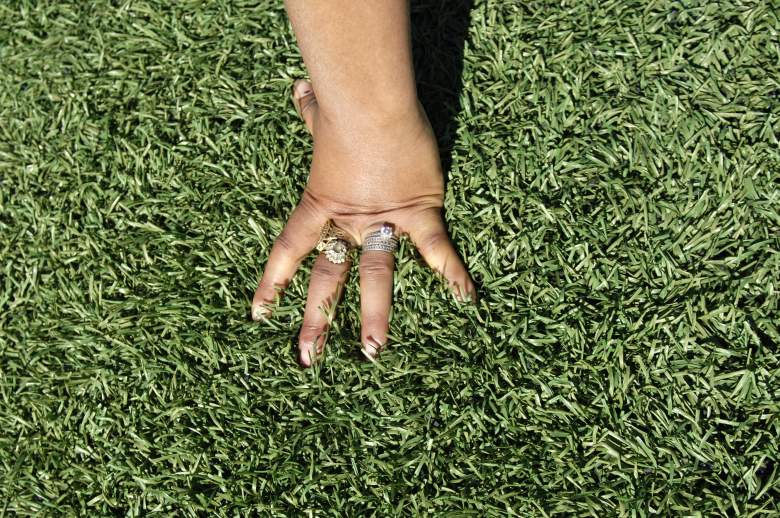
Medical doctors and environmental scientists are issuing serious warnings that this material is not suitable for children to play on. This is because of the presence of PFAS chemicals (aka “forever chemicals”), other strong chemicals including flame retardants and UV stabilizers, extreme heat risks, and the material’s ability to harbor dangerous pathogens such as MRSA (Methicillin-resistant Staphylococcus aureus).
Along with the health concerns, turf is an environmental disaster. It is not recyclable, despite industry claims and greenwashing, and significantly contributes to pollution of nearby water supplies both while it is in use, and after it is discarded.
Mount Sinai Medical School Says Children Should Never Play on Synthetic Turf
The Children’s Environmental Health Center of the Icahn School of Medicine at Mount Sinai issued a statement in May of 2025 explaining it “strongly discourages the installation of artificial turf playing surfaces and fields due to the uncertainties surrounding the safety of these products and the potential for dangerous heat and chemical exposures.”
The statement says this conclusion was formed by a group of pediatricians, epidemiologists, and laboratory scientists working at the center, which is home to one of 10 nationally funded Pediatric Environmental Health Specialty Units.
The statement says turf with crumb rubber infill is the most dangerous kind, but the center’s research has “found the presence of known carcinogens and neurotoxins including polycyclic aromatic hydrocarbons (PAHs), lead, zinc, and black carbon in almost all alternative infill materials examined.”
The report says the PFAS that have been found in turf are linked to cancer, nervous system toxicity, immune dysfunction, thyroid, and cardiovascular disease.
Industry Claims of ‘PFAS-Free’ Turf are Disputed & Unproven
All known and documented independent testing (meaning testing not controlled or commissioned by turf companies) of synthetic turf has detected PFAS (per- and polyfluoroalkyl substances). Despite this, turf companies are now peddling their products as being “non-toxic” or “PFAS-free.”
PFAS, the same chemicals used to make Teflon pans slippery, have traditionally been used in the turf manufacturing process for shaping the finely detailed imitation grass blades. The molten plastic used to create the blades has to slide through a machine in a process called extrusion, and PFAS are used to prevent the hot plastic from sticking to the machine.
In response to growing concerns over these contaminants, the turf industry has begun marketing their products as “PFAS-free” and flooding the internet with assurances that the products are safe. However, independent lab testing has disproven these claims.
In 2022, an advocacy group called Non Toxic Portsmouth in Portsmouth, New Jersey sent samples of a new turf installation to a Michigan lab, which found high levels of organic fluorine. The city council then ordered additional tests, which found the turf contained 135 parts per trillion of PFOS (a subgroup of PFAS), much higher than the “maximum safe level” of 20 parts per quadrillion set forth by the EPA in June 2022 for drinking water. That’s per an E&E News by Politico report.
The results sparked outrage and regret, as the city had been promised by the manufacturer that the turf was “PFAS-free.”
Synthetic Turf is Made With Flame Retardants and UV Stabilizers
When something seems “too good to be true,” it usually is. Turf’s resilience and low-maintenance qualities are a part of what makes it so toxic. In order to retain its brilliant color while baking in the scorching in the sun, it has to be treated with incredibly powerful UV-stabilizing chemicals.
It also has to be made fireproof with flame retardants. The National Center for Health Research explains, “The fields also continuously shed microplastics as the plastic blades break down. These materials may contain additives such as PAHs, flame retardants, and UV inhibitors, which can be toxic to marine and aquatic life. Microplastics are known to migrate into the oceans, the food chain, and drinking water, and they can absorb and concentrate other toxins from the environment.”
What Can We Do?
Keeping children completely away from synthetic turf is the safest option, although that is becoming increasingly difficult. Mount Sinai explains young children are particularly vulnerable to harmful effects from exposure to turf “because of their unique physiology and behaviors, rapidly developing organ systems, and immature detoxification mechanisms.”
The institution points out that children breathe faster, have thinner skin, and are prone to putting their mouths and other objects in their hands while playing.
If you are in charge of a school, playground, or daycare, do not choose a rubber or synthetic grass surface. Instead, look for natural grass or bark mulch.
While synthetic turf can be alluring due its low-maintenance nature and polished look, we should not put aesthetics and convenience over our children’s health.











Popularity of Synthetic Turf Continues to Soar Despite Serious Environmental & Health Warnings