


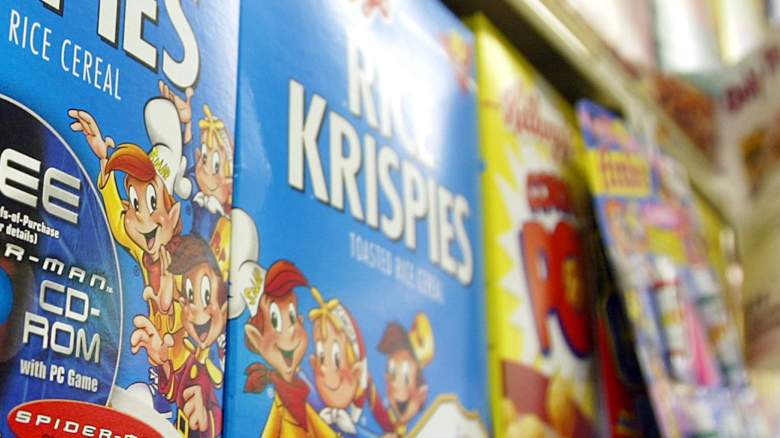
There’s an old adage that states, “If it ain’t broke, don’t fix it.”
Kellogg’s (and its international parent company Kellanova) should have heeded that advice, given the recent response the company has been receiving for its decision to remove a key ingredient from an iconic breakfast cereal.
A Change in Recipe
As The Express reports, a spokesperson for Kellogg’s issued a statement to share the news, revealing that rice grains were no longer being used in Rice Krispies and Coco Pops sold in the U.K. Instead, a combination of rice flour and corn flour had been substituted.
“We have updated the Rice Krispies and Coco Pops recipes, which are now made using corn flour and rice flour,” said the company rep. “This recent change helps us maintain consistent quality at a time when changing weather conditions are affecting the quality and availability of some of the rice and grains used in our cereals.”
The change, however, does not affect cereal sold in the U.S. and Canada, a spokesperson for U.S.-based WK Kellogg Co. (which is separately run from Kellanova) confirmed to CBC News.
“Our Rice Krispies cereals in the U.S. and Canada (e.g., Kellogg’s Rice Krispies, Kellogg’s Cocoa Krispies, Kellogg’s Frosted Krispies) are made with real rice and will continue to be,” the spokesperson said in a statement. “There are no changes to their ingredients or recipes and consumers can continue to expect the same delicious Rice Krispies taste they know and love.”
A Breakfast Backlash

British consumers who’ve sampled the new version of Rice Krispies were unimpressed — including some who shared their opinions on live television.
“They’ve lost their snap, crackle and pop!” Susanna Reid, co-host of morning show “Good Morning Britain,” exclaimed after co-host Ed Balls poured some milk atop a bowl of the new iteration of Rice Krispies during an episode of the show.
When Reid held a microphone close to the bowl, viewers heard dead silence, not the distinctive sound that had been the cereal’s calling card for decades.
Meanwhile, similar opinions were being expressed throughout social media.
“There’s no snap, crackle or pop in these. My toddler won’t eat them and she usually eats them every day,” one dissatisfied cereal aficianado posted on TikTok.
“You can immediately tell the difference,” read another comment. “They’re soggy, pale, they don’t have the snapping sound when you put milk in. It’s really gross.”
Snap, Crackle, Pop
Rice Krispies are one of the most enduringly popular breakfast cereals on the market. First introduced in 1928, marketing for the cereal has traditionally focused on the “snap, crackle, pop” that can be audibly heard when milk is poured upon the cereal; in fact, those three words first appeared on cereal boxes as early as 1932.
So iconic is that sound that the trio of mascots that have adorned Rice Krispies boxes for decades are named Snap, Crackle and Pop, first introduced in 1933.












Kellogg’s Hit with British Backlash After Removing Rice from Rice Krispies