


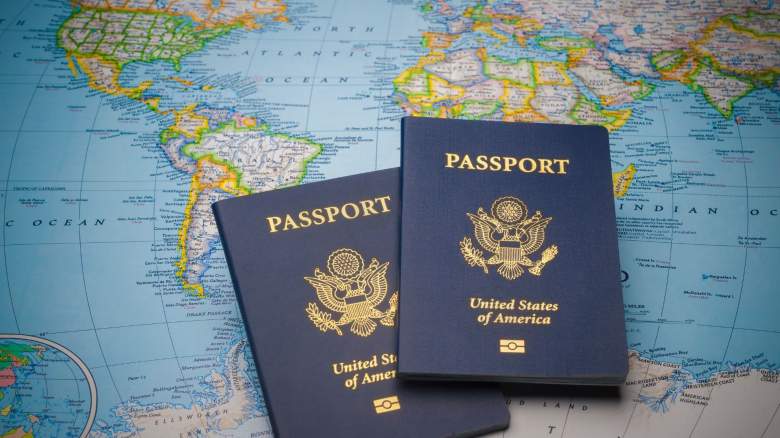
Some Americans could soon lose their passports over unpaid child support as the federal government prepares to expand its enforcement efforts.
Beginning Monday, Nov. 30, the U.S. Department of State is scheduled to begin revoking passports held by parents who owe more than $10,000 in past-due child support. The change marks another reduction in the debt threshold used during the government’s phased enforcement initiative.
What We Know So Far
The policy does not introduce a new law. Federal law has long allowed the government to deny passports to individuals with substantial unpaid child support and permits the State Department to revoke existing documents.
However, the government began expanding its efforts to revoke active passports in May 2026, gradually lowering the amount of outstanding debt that can trigger the action.
The initial phase targeted individuals with significantly higher balances. Subsequent stages lowered the threshold to $75,000, $50,000, $40,000, $25,000 and $15,000. The next phase brings the amount down to more than $10,000, according to a schedule published by the Minnesota Department of Children, Youth, and Families.
State child support agencies have also notified parents about the upcoming change. Oregon’s Department of Justice is among the state agencies that have shared information about the expanded enforcement effort.
It is important to distinguish the new revocation threshold from the existing federal rule governing passport applications. Under federal law, individuals who owe more than $2,500 in past-due child support can be denied a new passport or renewal. The State Department also has authority to revoke an existing passport for qualifying debt.
How to Get Your Passport Back If It’s Revoked
For those whose passports are revoked, paying the outstanding balance does not automatically make the document valid again. The State Department says a revoked passport cannot be used for travel, even after the debt has been paid. Individuals must resolve the balance with the state where they owe support before becoming eligible to apply for a new passport.
The process of restoring passport eligibility can also take time. According to the State Department, after a parent pays the outstanding amount, the state must notify the Department of Health and Human Services. The agency then updates its records and informs the State Department that the individual is eligible again.
That process can take at least two to three weeks, meaning people with upcoming international travel may need to plan accordingly.
The State Department advises anyone affected by the policy to contact the child support agency in the state where the debt is owed to discuss repayment and resolve any outstanding issues.















Americans With More Than $10,000 in Child Support Debt Face Passport Revocations