


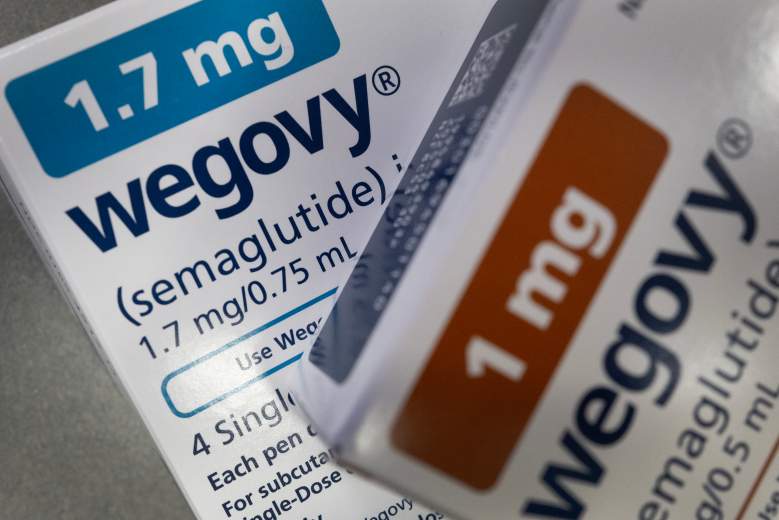
Ozempic and Wegovy have changed how many people manage their weight, but a rare eye condition is raising new questions. NAION can cause sudden vision loss, and the damage is sometimes permanent.
The U.S. Food and Drug Administration announced Monday, November 9, in an official statement that manufacturers must add new safety warnings to GLP-1 medications after reviewing research linking the drugs to a potentially serious optic nerve condition.
FDA Orders New Warning for Ozempic, Wegovy and Zepbound
The new labeling requirement applies to all medications in the GLP-1 class, including Ozempic, Wegovy, Mounjaro and Zepbound.
The drugs are widely prescribed for Type 2 diabetes and weight management. Some have also received approval to treat other conditions, including sleep apnea and certain cardiovascular risks.
According to the FDA, the medications may increase the risk of nonarteritic anterior ischemic optic neuropathy, commonly known as NAION.
The agency is requiring manufacturers to include information about the potential risk in the warnings and precautions section of their drug labels.
What Is NAION and Can It Cause Permanent Blindness?
NAION occurs when blood flow to the front of the optic nerve is reduced, which can cause sudden vision loss, per the American Academy of Ophthalmology.
The condition typically affects one eye and may develop without pain. Some patients first notice changes in their eyesight after waking up.
Symptoms can include blurred vision, blind spots, missing areas of sight, and changes in how colors appear.
Vision loss associated with NAION can be permanent, and there is currently no proven treatment that reliably reverses the damage.
However, the FDA emphasized that the condition remains rare, and the warning does not mean everyone taking GLP-1 medications will experience vision problems.
Why Is the FDA Adding New Eye Warnings?
Concerns intensified after a 2024 study identified a possible association between semaglutide, the active ingredient in Ozempic and Wegovy, and NAION.
The FDA subsequently examined clinical trials, patient reports, animal research, and observational studies.
According to the FDA, its analysis of 126 clinical trials found approximately 6.4 cases per 100,000 person-years among patients taking GLP-1 drugs, compared with 3.8 cases among those receiving other treatments or placebos.
Although the findings suggested a possible increased risk, researchers have not established exactly how the medications might contribute to the condition.
The FDA also noted that diabetes, high blood pressure, and other health problems can independently increase NAION risk.
What Should Patients Taking GLP-1 Drugs Do?
The FDA is urging patients to watch for sudden changes in their eyesight, particularly painless vision loss in one eye.
“Patients should contact their health care professional right away if they have any of these symptoms,” the agency said in its November 9 safety communication.
Doctors are being advised to arrange prompt eye examinations when NAION is suspected.
The FDA also recommends that patients who develop the condition discuss whether to continue their medication with their health care provider.
The FDA has not advised patients to stop taking Ozempic, Wegovy, or similar medications if they are not experiencing vision problems. However, anyone who notices sudden changes in their eyesight should seek medical attention immediately and speak with their doctor about whether to continue treatment.













FDA Issues Alarming New Warning for Ozempic and Wegovy Users