


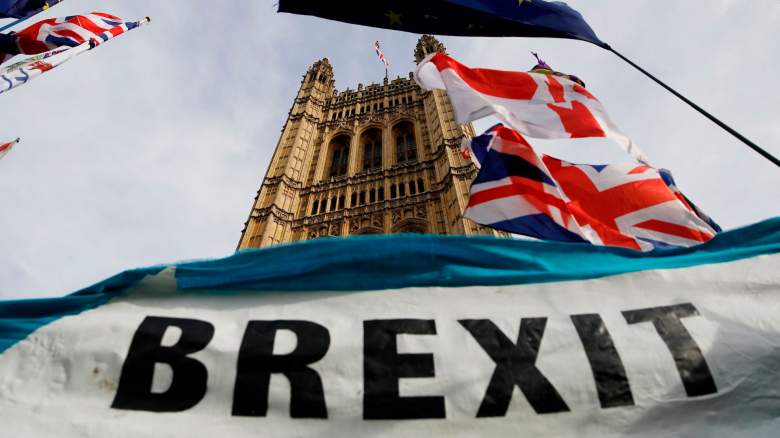
In 2016, a referendum took place in the UK that resulted in British voters narrowly voting for the nation to cut ties with the European Union.
Afrer the tight 51.89 percent to 48.11 percent vote, the stage was set for what’s come to be known as Brexit, when the UK formally exited the EU in 2000.
Now, a decade after that fateful vote, Britain appears to have regretted the move.
The Tide Has Turned on Brexit
As The Washington Post reports, the tide has turned in British public opinion, and efforts are underway to restore severed ties between the United Kingdom and the EU.
British Prime Minister Andy Burnham traveled to Brussels on Friday, November 20 to initiate an agreement that the Times describes as “the most concrete unwinding of the separation since 2016.”
That said, the deal itself is only a small first step. In the agreement, Britain will now align with EU regulations on food safety, will get rid of border checks that have made food exports a bureaucratic nightmare for British businesses, and join its carbon market to that of the EU.
In addition, the new deal allows young British citizens and those from EU member nations to live and work in each other’s countries for a period of up to three years.
“Today we draw the line on a decade of drift and division by reconnecting with old friends, by building a much more constructive relationship with our nearest neighbors and our largest market,” Burnham said in a statement.
More to Come
Indeed, Burnham is promising that this agreement is only the beginning of re-establishing ties with the UE that had been severed by Brexit.
One of the options on the table, Burnham said, was for Britain to go “all the way” and formally rejoin the EU — something that would have been unthinkable just a few years earlier — with Burnham even suggesting that his goal is to see Britain become part of the EU within his lifetime.
Burnham’s pro-EU views mirror those of the public, which has decidedly soured on Brexit after years of economic fallout. As the Times noted, a National Bureau of Economic Research study estimated Brexit had cut British gross domestic product per capita by up to 8 percent and investment by as much as 18 percent by 2025 — a downward trajectory that will only increase.
“The British political class is catching up with the rest of the country,” said Mark Leonard, director of the European Council on Foreign Relations, after the organization had commissioned its own survey demonstrating that 75 percent of Britons want closer ties with the EU, with 33 percent preferring to regain full membership as a member nation of the European Union.
“It is clear from opinion polls that there is a settled view across the country that Brexit has been bad for Britain,” Leonard observed.
As the Times points out, demographics are on Burnham’s side. Those who voted for Brexit tended to be older, with anti-Brexit voters trending younger; since that vote was taken, about six million older Britons have passed away, which could clear the path for a vastly different result if another referendum were to be held.
Beyond that, Leonard added, those who did vote “yes” now realize that the outcome they were expecting — increased stability and security — has actually gone in the opposite direction.
“Because of this disjunction between what ‘Leave’ voters wanted and what they were given, a number of people now feel differently about the relationship with Europe when they look at the future,” Leonard said, noting that the EU would welcome Britain back to the fold.
“This is a proof of concept that there can be a benefit to both sides from a closer relationship,” Leonard said. “That’s going to be used as background to this bigger discussion on the future which Andy Burnham is going to launch.”









10 Years Later, Britain Backtracks on Brexit