


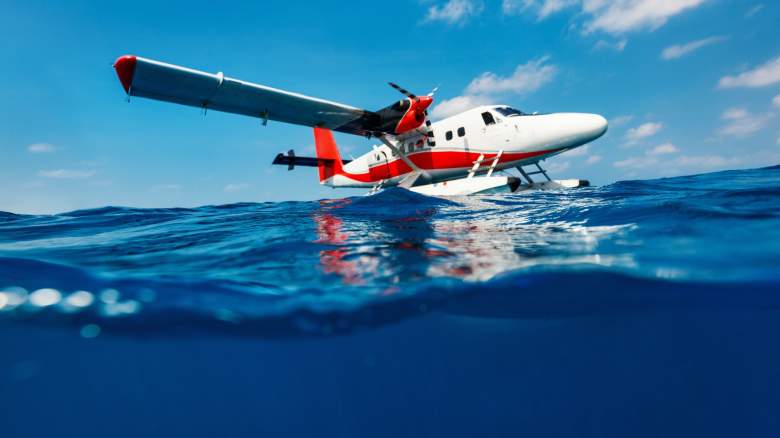
A 2012 case involving a seaplane seized over a passenger’s beer is finally reaching the U.S. Supreme Court, as its owner continues to challenge Alaska’s decision to confiscate the aircraft.
Ken Jouppi lost possession of his seaplane after a passenger allegedly brought Budweiser beer into a remote Alaskan village where alcohol was prohibited.
After more than a decade of legal battles, Jouppi is now asking the Supreme Court to overturn a lower court ruling that allowed Alaska to seize his aircraft. The case could also have broader implications for civil asset forfeiture laws, which allow authorities to confiscate property connected to alleged criminal activity.
Ken Jouppi’s Seaplane Confiscated Over Beer


On Tuesday, the nine justices are scheduled to hear Jouppi’s appeal involving his 1969 Cessna U206D. He has described the seizure as a “grossly disproportionate punishment,” according to Reuters.
A lower court valued the plane at $95,000, although Jouppi estimates it is worth $150,000. The aircraft has remained in a storage lot in Fairbanks, with Jouppi continuing to pay parking fees.
In 2013, a judge blocked the forfeiture, allowing Jouppi to seek the return of his plane. However, Alaska continued fighting to take possession of it.
Jouppi Served Four Years In The U.S. Air Force
At 83, Jouppi is retired and living in Idaho. He earned his pilot’s license in the 1960s and later served four years in the U.S. Air Force as a mechanic for B-52 bombers.
In April 2012, Alaska state troopers obtained a warrant to search Jouppi’s plane before it departed from Fairbanks with a passenger heading to Beaver, a remote community where alcohol is prohibited.
Authorities had been investigating Jouppi following reports that he had repeatedly transported passengers carrying alcohol. During the search, troopers found three cases of beer in the passenger’s luggage, totaling about 72 cans.
“Looking through somebody’s underwear for a bottle of whiskey that’s contraband – that just did not appeal to me at all,” Jouppi said.
A jury found Jouppi guilty of violating state law. He was fined $3,000 and sentenced to three days in jail, although he never served time behind bars.
Sam Gedge, an attorney representing Jouppi, argued that the forfeiture was excessive. “Governments have tried to magnify small offenses into big offenses for the purpose of imposing massive fines on ordinary people and padding their own budgets,” he said.
However, the U.S. Justice Department has sided with Alaska. In a written statement, the department argued, “If anything, the forfeiture here is more moderate than others that have historically been permitted.”
An attorney at the MacArthur Justice Center, meanwhile, believes Jouppi has a chance of winning his appeal.
“The facts of this case are obviously sympathetic. That the court granted his case does suggest maybe they think something went wrong in the Alaska court system,” the attorney said.
Alaska sought to seize Jouppi’s Cessna under a state law allowing authorities to confiscate aircraft involved in alcohol-related offenses.













Man Challenges Alaska’s Seizure of His Seaplane Over Beer at US Supreme Court