


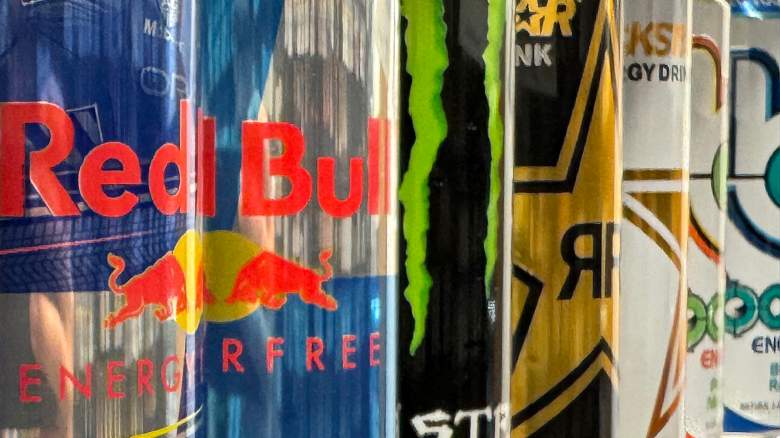
For many people, that all-too-familiar feeling of sluggishness can be overcome by simply chugging an energy drink.
A staple of college-student cramming and other occasions when deadlines require powering through without sleep, these caffeine- and chemical-laced beverages have become ubiquitous in supermarkets and convenience stores.
However, some new research suggests that energy drinks and supplements are now being “linked to a disproportionate wave of cardiac events in young healthy adults.”
‘Potential Dangers’ in Energy Drinks?
That’s the takeaway from the results of a recent study that was presented at the American Heart Association (AHA) Scientific Sessions 2026.
That study, notes Medscape, also pointed out that regulatory guardrails on these products are minimal at best; as a result, “most consumers remain in the dark about potential dangers.”
The study was intensive, utilizing nearly 10 years of FDA data cataloging adverse events reports between 2017-2025. Investigators examined 28,345 submissions that had been categorized under soft drink/water, coffee/tea, or dietary supplements, and then screened the results according to product name.
The results are startling. “Reports involving energy drinks and stimulants had 11-fold higher reporting odds of cardiac arrest than those for other products … For example, out of 18 exposed cardiac arrest cases, seven resulted in death,” noted the report.
“Stimulant products showed over 4.4-fold higher reporting odds of a heart attack, ventricular arrhythmias, palpitations and sinus tachycardia,” Medscape added.
These results were most striking in young adults aged 18-34 years of age. According to the report, “stimulant products showed 14.6-fold higher reporting odds of supraventricular arrhythmia, 13.7-fold higher reporting odds of acute myocardial infarction, and fivefold higher odds of stroke, although stroke was not signal positive in the overall dataset.”
The risk is even higher for adolescents aged 13-17, with stimulant products demonstrating 15.8-fold higher reporting odds of hypertension (high blood pressure) and 9.7-fold higher odds of sinus tachycardia.
Caffeine Is Not the Villain
“We believe the message should be ‘know your dose and your source,’ not ‘avoid caffeine,’” said Nitin Chetla, one of the study’s authors, and a medical student at the University of Virginia School of Medicine in Charlottesville, Virginia. “These products often include other stimulants such as synephrine, yohimbine, and methylhexanamine. These can interact with caffeine in ways that are not fully understood, especially in young, healthy people.”
Given the study’s results, Chetla is advising doctors to ask about their ingestion of energy drinks when treating young patients experiencing heart palpitations, chest pain or other cardiac events.
“Asking directly — ‘Do you use any preworkout, energy drinks, or stimulant products? Which brands, how often, and do you ever combine them with other products/substances?’ — can open the conversation and can surprise both the patient and the clinician with how much total daily caffeine or stimulants are actually involved,” Chetla added.
Sachin Shah, a professor of pharmacy at the University of the Pacific in Stockton, California who has authored several previous studies on energy drinks, concurred that “randomized clinical studies have demonstrated that consuming large volumes of energy drinks can prolong the heart rate-corrected QT interval and increase blood pressure.”
Shah added: “Taken together, these findings reinforce the importance of discussing caffeine and stimulant exposure with patients, particularly those with underlying cardiovascular disease, known heart rhythm abnormalities, or concurrent use of multiple stimulant-containing products.”
He also pointed out that while the findings of these studies should “warrant attention and further investigation,” they did not necessarily prove that energy drinks were the cause of cardiac events.
‘A Dearth of Evidence’
In fact, it’s crucial that further study is undertaken to either confirm or rule out the role that energy drinks can play in young people experiencing cardiac events.
“It is important to recognize that this research is observational and relies on reporting of adverse events that are ultimately only assumed to be attributed to these products,” warned Gregory M. Marcus, MD, MAS, chair of the AHA’s 2026 scientific statement on caffeine and cardiovascular risk.
“There is a dearth of evidence regarding the safety of high-dose caffeine in energy drinks or supplements, and these current data align with other small case series showing they may be harmful, particularly in regards to risks of ventricular arrhythmias,” Marcus added. “Until more definitive studies can be performed, healthcare professionals should likely inform their younger patients about this evidence and potential risks for cardiovascular harm.”














Energy Drinks Connected to ‘Disproportionate Wave’ of Cardiac Events in Young People: Study