


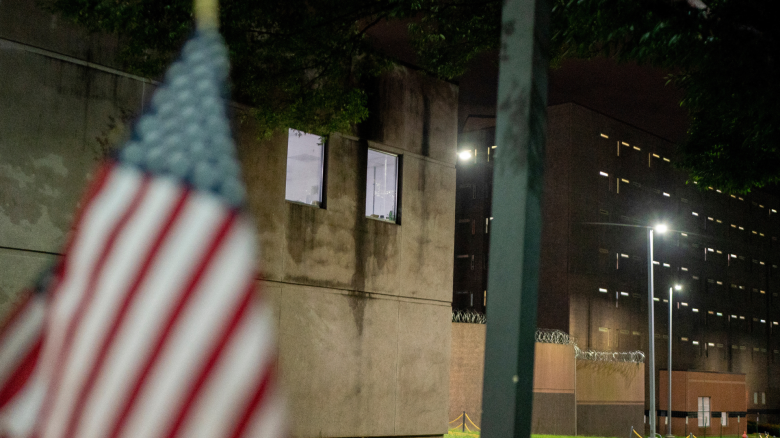
On November 11, 2026, NPR reported on a trip to a German facility called Tegel Prison taken by a group of Americans who were seeking ideas for how America’s notoriously harsh prisons can be reformed.
The group of visitors included a judge, a prosecutor, a prison official, and several other criminal justice “key players,” as the report called them, who were looking for inspiration on how New York City’s jail system can be improved.
Why Reform is Needed
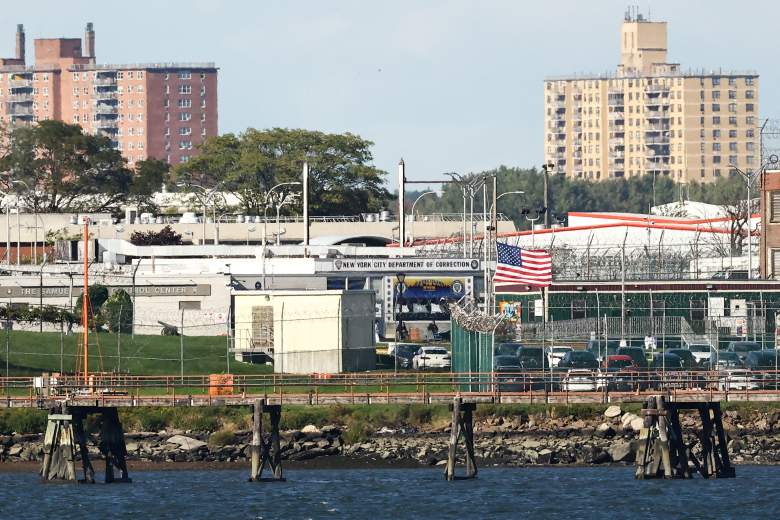
New York City currently operates 12 jails, and most are located on the infamous Rikers Island, which is plagued by violence, danger, and extreme cruelty. Haunting stories abound about the brutal facility, with one of the most disturbing being the experience of Kalief Browder. In May 2010, Browder was accused of stealing a backpack in the Bronx at age 16, and held at Rikers for three years awaiting trial, because his family could not afford bail. No proof of the alleged crime ever surfaced, and the charges were eventually dropped.
PBS says the teen suffered beatings from both officers and inmates, attempted suicide more than once, and spend hundreds of days in solitary confinement.
Prosecutors spent over 33 months trying to convince Browder to take a plea deal during his imprisonment, but he steadfastly refused and maintained his innocence.
Browder was finally released in June 2013, and killed himself two years later, plagued by the trauma of his experience. In a statement, Browder’s lawyer compared the horrors the teen experienced to what one might imagine would happen “in some prison camp in another country,” and expressed disbelief that the horrific events played out on American soil. It’s also remarkable that the incidents happened in such close proximity to New York City, widely ranked as the United States’ top city.
Eileen Maher, a formerly incarcerated leader of VOCAL-NY, a grassroots organization that seeks to end mass incarceration, described how psychological torment is just as prevalent in the jail as physical harm.
Maher was held at Rikers Island for 420 days, and eventually plead guilty to a jewelry theft she says she didn’t commit so she could get out of the jail.
Vera.org says she explained, “In there, you are no longer a human being. The corrections officers said this to us on a daily basis, ‘You are not real anymore. You are less than human.’ When they would search everything, they would take your photos, and they would throw milk on them. They would destroy things that people’s kids had drawn for them. It was just to dehumanize people as much as possible and break down your psyche.”
While Rikers Island is one of the most glaring and well-publicized example of American prison horrors, facilities all around the country face similar issues.
Tegel Prison in Germany Models a Different Way
Tegel Prison, located in the Reinickendorf borough in northern Berlin, Germany, focuses on treating inmates like human beings, the NPR report says.
The facility does this by giving prisoners simple freedoms that promote a sense of normalcy, like providing private restrooms and letting them lock their own cell doors when leaving to attend work or classes.
Natural light and ventilation are also prioritized. “In many other countries, when you are incarcerated, you don’t lose your humanity the same way that you do necessarily in the United States,” Lauren-Brooke Eisen, senior director of the Justice Program at the Brennan Center for Justice, was quoted as saying.
Guards are also more experienced and professional. They are required several years of training, instead of just a few weeks.















U.S. Officials Visit German Prison to Seek Reform Inspiration