


While it can seem tempting in a scary or desperate situation, legal experts are warning that consulting an AI chat program such as ChatGPT is never a safe or smart move. That’s because unlike conversations with real-life legal counsel, AI chatbots are not subject to any solidly established privacy protections. On the other hand, a conversation with your attorney is considered a privileged communication that police generally don’t have a right to access.
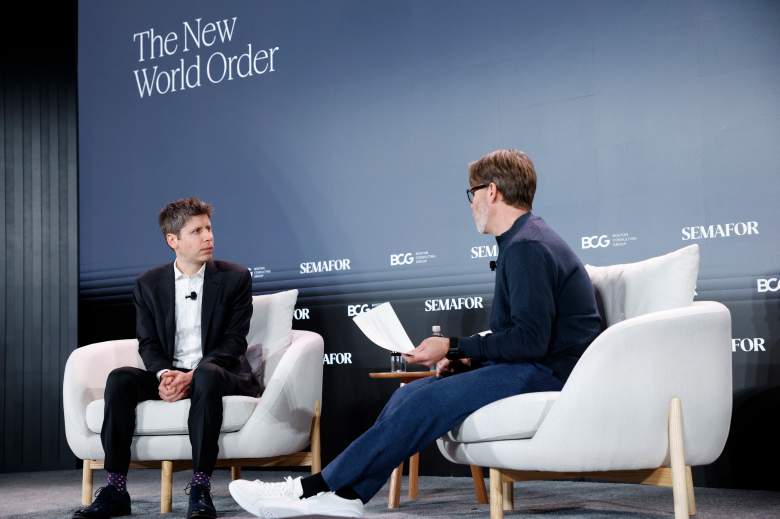
We obtained a copy of a warning written by a U.S. criminal defense attorney which explains that “anything you type into an AI chatbot, such as ChatGPT, Claude, Gemini, Copilot, Grok, or Meta AI, can be obtained by law enforcement and used against you in court.”
Thinking of AI Chats as ‘Confidential’ Is Dangerous
The message goes on to say that AI is “even more dangerous” than social media in some ways, as many users tend to think of it as private, and treat it like a “confidential advisor.” It says before typing any question into an AI chat, users must remember that every exchange you have is “tied to your account, and available to the government with the right legal process.”
Because of the personal and confidential tone many AI chat programs cultivate, users may feel comfortable typing private things they would never “put on the internet,” forgetting they are, in fact, doing just that.
The warning goes on to remind people again that there is no such thing as attorney-client privilege with a chatbot, no matter how much a program might seem or “act” like a lawyer.
The expert cited the 2026 case of United States v. Heppner, in which a federal court in New York ruled that prosecutors were allowed to obtain a criminal defendant’s conversations with an AI tool called Claude. The defendant had argued the chats should be subject to attorney-client privilege because he used them to prepare for discussions with his lawyers, but the court disagreed.
Legal Researcher Points Out Recent Federal Court Decision Means Criminal Defendants Cannot Privately Use AI Tools to Draft Documents
In a Harvard Law Review blog essay, legal researcher Elizabeth X. Guo analyzes the case and points out the chilling implications that categorically excluding clients’ use of AI from privilege would have.
She writes that for many Americans, the use of AI has become entrenched in everyday life, and not just through standalone chatbots, but also through its “creeping integration into familiar tools such as Gmail and Microsoft Word.”
The expert warning we obtained says people facing legal issues should not only avoid asking questions about their case to AI chatbots, but also that AI tools should never be used to draft any of the following: “statements, letters, timelines, or explanations about what happened.”
An important takeaway is that for now, the Heppner ruling seems to completely preclude the use of any type of AI tool or chat when participating in one’s own defense.





Expert Warns Police Can Find Out Everything You Say to an AI Chatbot