



An increasing number of younger people are reportedly becoming more open to the idea of having a romantic relationship with AI.
According to a Harris Poll, around 50% of Gen Zers are curious about, open to, or already involved in a deeply personal relationship with artificial intelligence.
Speaking with “NewsNation Live” on Sunday, October 18, cyberpsychology expert and licensed therapist Dr. Rachel Wood explained the growing trend of teenagers turning to AI for relationships.
Wood explained that people are turning to chatbots for various reasons, including advice on dating. Some even paste messages they’ve received into AI tools and use the chatbot’s suggested replies rather than responding in their own words.
Gen Z Turning to AI for Companionship
Wood also pointed out that in some cases, people are turning to artificial intelligence for romantic companionship.
Wood clarified that it often begins with teenagers using chatbots for homework help or meal planning.
Then, slowly, young people begin opening up emotionally, creating a pathway to forming a deeply personal relationship with AI.
“Most people aren’t looking directly for a companion with the chatbot, but it ends up being a place where they feel like they don’t get judged,” she continued. “They feel like they can be themselves, and so they start opening up emotionally.”
Is There a Positive Side to It?
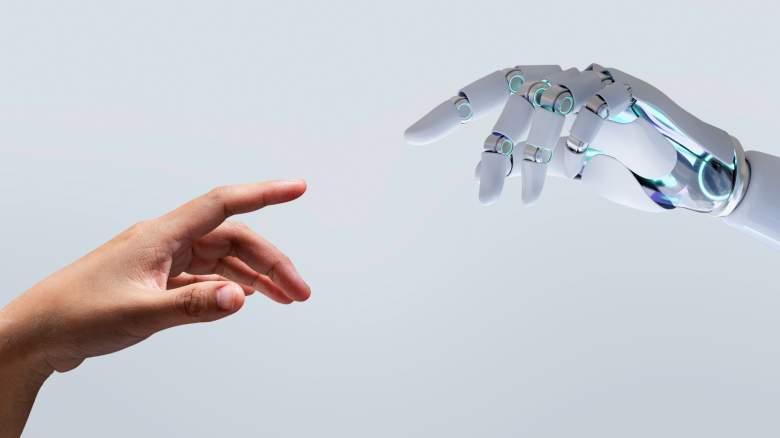
Wood acknowledged that AI can have positive benefits, provided people use it appropriately.
“The hope here is that if people are using it, they really treat it as a training ground and as a practice or rehearsal for their real-life relationships, as opposed to just getting isolated into the echo chamber of a chatbot,” she explained.
Wood pointed out that if the younger generation solely relies on chatbots for conversation, relational skills could “erode over time.”
Meanwhile, clinical psychologist Dr. Jenny Prohaska told NewsNation that relying heavily on digital communication instead of in-person interactions could hinder the development of essential social skills.
She noted that this may affect people’s ability to navigate everyday social situations and workplace relationships, while also limiting their opportunities to develop greater self-awareness.
“Friction in human, in-person relationships is really important. Being able to get that confidence to navigate that friction for deeper relationships,” Dr. Prohaska added.

More Gen Z Are Open to Dating AI: ‘They Don’t Get Judged’