


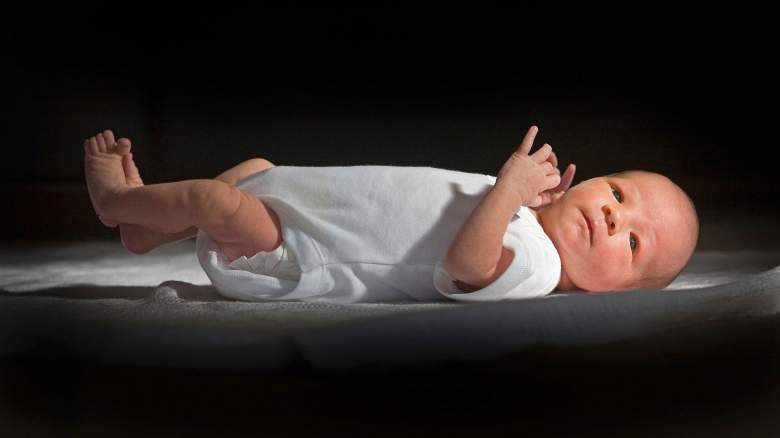
Unless you’ve become a new parent within the last decade, it’s very likely you’ve never heard of “The Happy Song.”
For those who have, however, the song — from British singer Imogen Heap — has become a godsend when it’s come to calming crying babies.
‘The Happy Song’
Celebrating its 10th anniverary this week, the two-and-a-half-minute ditty is not a typical children’s song.
In fact, “The Happy Song” is the result of a unique collaboration between the Grammy-winning singer and a team of British psychologists, who utilized cutting-edge research on what causes infants to be happy.
Adding the insights from various focus groups, the result is a catchy, quasi-hypnotic melody that has been known to instantly soothe even the crankiest baby.
According to CNN, since its release in 2016, “The Happy Song” has been streamed more than 470 million times on Spotify — more than such iconic hits as Marvin Gaye’s “Let’s Get It On” and Simon & Garfunkel’s “Bridge Over Troubled Water.”
Meanwhile, the news outlet also notes that a non-stop 10-hour loop of “The Happy Song” has been viewed 14 million times.
Clearly, this combination of child behavioral psychology and musical mastery is onto something.
Corporate Origins
Interestingly, “The Happy Song” was initially commissioned by Cow & Gate, a British manufacturer of baby food.
The company enlisted music psychologist Lauren Stewart (an expert in why some songs become inescapable “earworms”) and child development psychologist Caspar Addyman (author of “The Laughing Baby”), with a goal of creating a song that would instantly send babies to their happy place. Heap — whose son was 18 months old at the time — was brought in as the duo’s musical collaborator.
Heap took their recommendations — which included repeating melodies and using major keys only, and using such anticipation-building musical elements as drum rolls — and ran with them, while also adding animal sounds and children’s laughter. In addition, Heap sings in what’s known as “Motherese,” the vocal inflection adults to use when speaking to babies.
“It separates the vowel sounds and makes things a bit easier to follow; it helps babies know that you’re talking to them and not somebody else in the room,” Addyman told CNN. “And you want to stick to things that babies themselves are capable of pronouncing. So ‘plosive’ sounds like ‘pa’ and ‘ba’.”
Relief for Parents
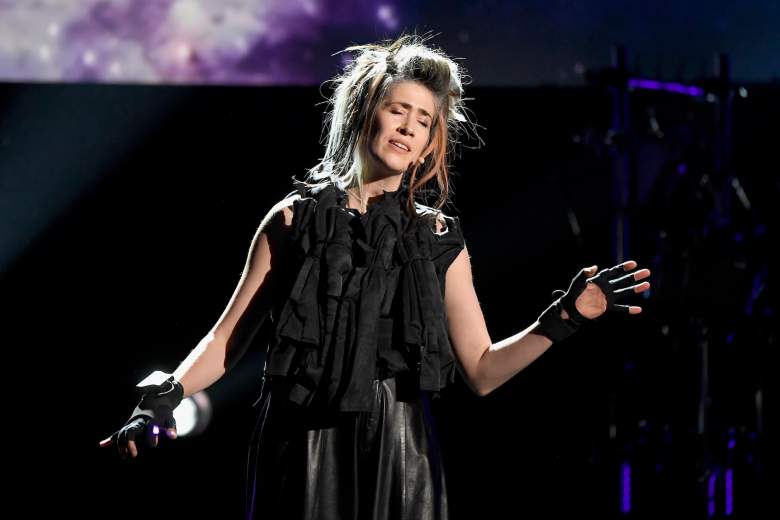
Over the course of its decade of release, the song has become Heap’s biggest hit by far, generating more royalties than anything else she’s recorded.
“I never thought in advance, ‘Oh, this is going to make me loads of money from all the babies in the world,’” she said with a laugh when speaking with CNN. “I just really wanted to make a song that gave a few minutes’ relief to a family at a point when they’re stuck in a traffic jam or whatever.”
At the same time, Heap was also intent on creating something that babies would love but would not irritate their parents. “I’m aware of the songs that drive parents nuts,” Heap said, sharing that she aimed to write a song that “wasn’t too grating and that had some funny bits.”
Meanwhile, Heap has become something of a superhero to parents. She recalled being on a long flight when a father was unable to calm his crying baby.
“I was like, ‘Oh my god, oh my god. Do I try it? What do I do?” she recalled thinking before finally cuing up “The Happy Song” and offering the harried dad her headphones. “I was like, ‘So… shall I play it?’ I played him the song, and the baby heard the laugh at the start and was immediately caught. Just a total change of demeanor,” Heap added. “The dad was almost in tears and just so thankful for this moment to gather himself.”










Song Designed By Scientists to Soothe Babies Marks 10th Anniversary and 470M Streams